Wall Plastering and Levelling
Base plaster applications that correct wall and ceiling geometry before paint or another finish.
- Base wall plastering kept distinct from decorative finishes
- Mineral, cement-lime or gypsum system selected for the substrate
- Straightedge, level and corner-geometry checks
- Finish prepared for paint, tile or the following coating
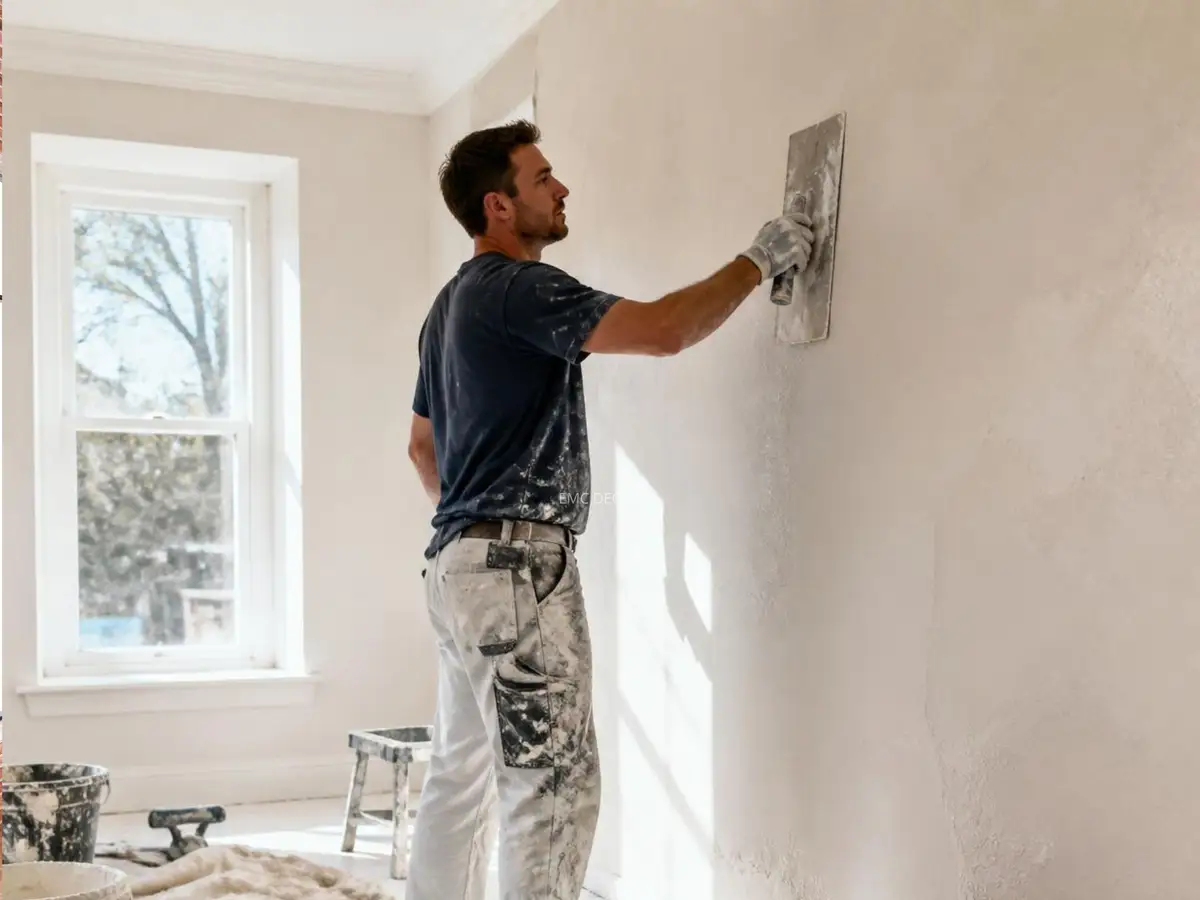
Wall plaster is the base layer that establishes surface strength and geometry before paint or decorative finishes. This service covers base plastering and levelling rather than decorative plaster, across brick, AAC, concrete, old render and other mineral substrates. The survey checks bearing strength, absorption, moisture, cracks, voids, plane deviations and corner geometry.
A compatible cement-lime, mineral or gypsum-based system is selected for the location and substrate. Loose layers are removed and repairs completed; concrete-to-masonry junctions, service chases, door and window corners and external corners are prepared to the system detail. Coat thickness is planned around surface deviation and product limits rather than excessive filling in one pass. The plaster is ruled level, planes and corners are checked, and the surface is handed over to suit the next skim coat, paint, tile or other finish. Decorative plaster remains a separate service.
Why EMC Decor
Wall plane checked with straightedge and level
A plaster system compatible with substrate and final finish
Correct details at mixed-material junctions, corners and service chases
Final surface prepared for paint, a skim coat, tile or another finish
Projects featuring Wall Plastering and Levelling
See how this service was sequenced with related trades and delivered on completed projects in Istanbul.
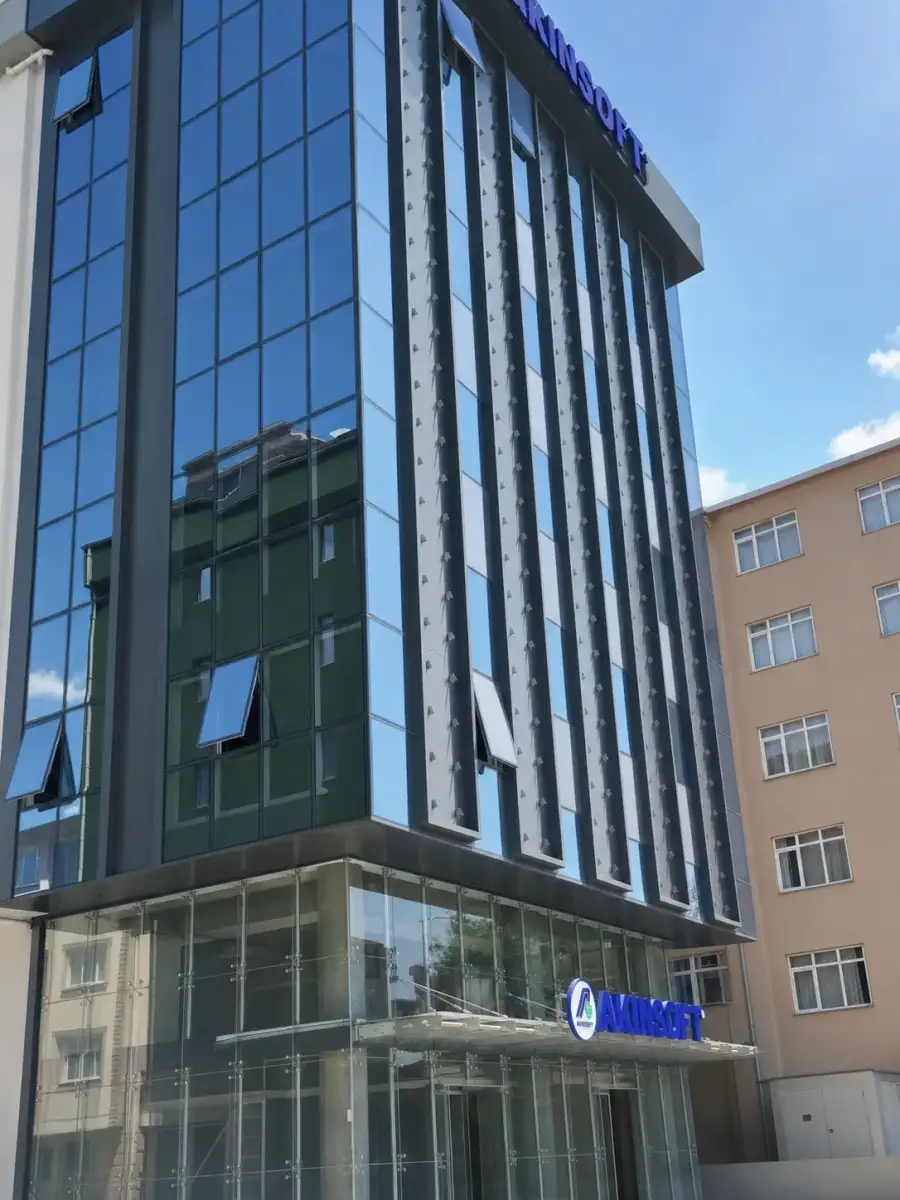
Akınsoft Plaza Commercial Building Renovation
In Avcılar, a corporate software company's building-wide renovation needs were met on a single 5–6 month schedule: a wide scope spanning masonry and infrastructure work through to plastering and painting, ceramic tiling, and the renovation of shared-area bathrooms — all delivered under one contractor's responsibility.
View project →
Başakşehir Garage Renovation — Turnkey
A turnkey renovation of a garage in Başakşehir's 24th phase: from demolition and floor preparation to the final signage, every stage was carried out by one team on one schedule. Epoxy floor coating and an Italian-style paint finish on the walls were applied together with MDF panel cladding, while a custom lighting installation of dozens of pendant fixtures gave the space its signature look.
View project →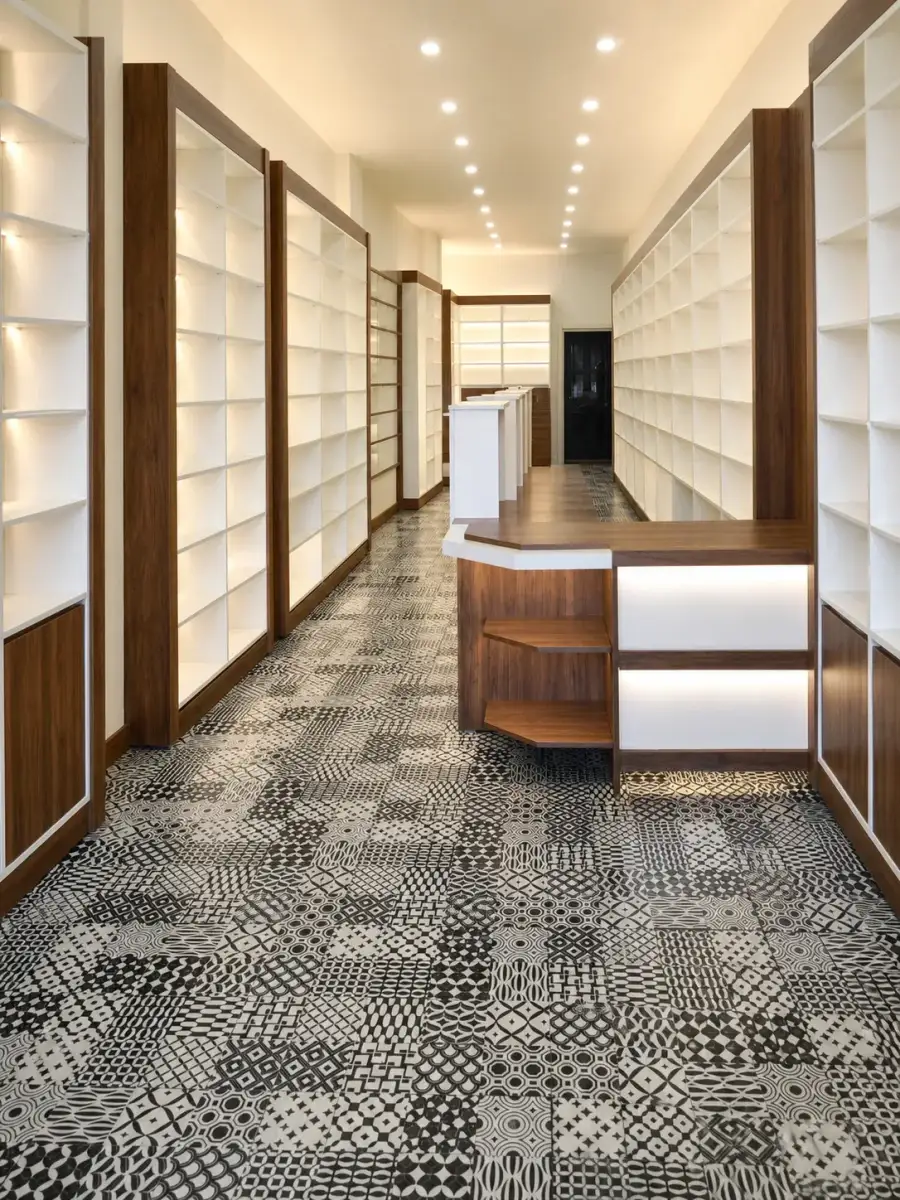
Fatih Şehremini Pharmacy Renovation — Millet Eczanesi
A turnkey renovation of Millet Eczanesi (pharmacy) in Fatih's Şehremini district: from the rough construction stage through plastering and painting, patterned ceramic flooring, and custom shelving and display systems, every stage came together under one execution plan. The storefront signage and entrance were finished in the same process.
View project →The Challenges You Face, Our Fix
PROBLEM: Plaster applied directly to a weak or dusty substrate
SOLUTION: Strength and absorption are checked before cleaning, repairs and required primer.
PROBLEM: Recurring cracks at mixed-material junctions
SOLUTION: Concrete-to-masonry transitions and critical corners use the system reinforcement detail.
PROBLEM: Large deviations filled in one excessive coat
SOLUTION: Thickness follows product limits, with repairs or multiple coats where required.
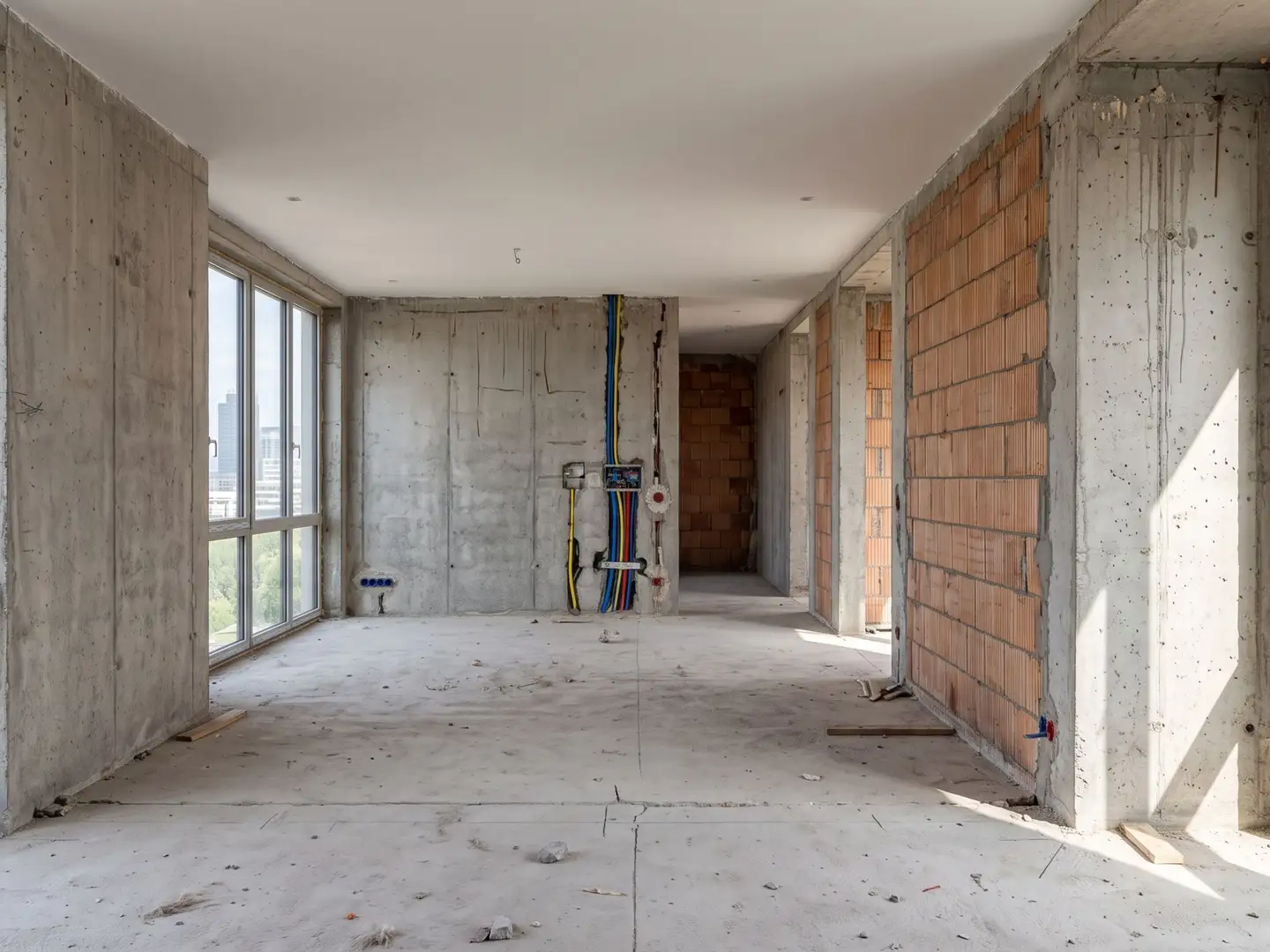
BEFORE / AFTER
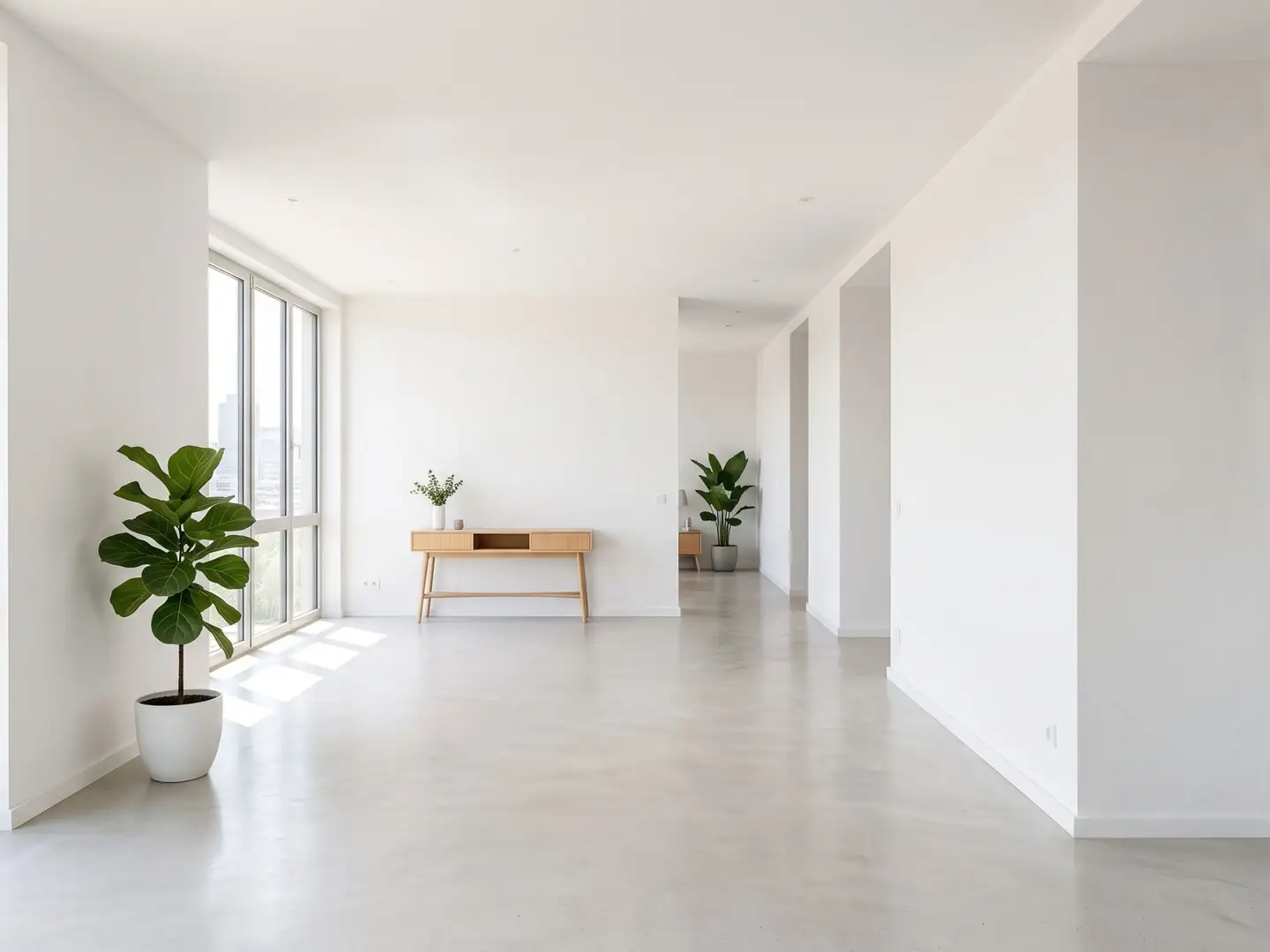
What This Service Includes
Substrate Preparation
Cleaning, removal of loose layers, repairs, compatible primer and junction preparation.
- Absorption check
- Crack and void repair
Plaster and Geometry
Plaster at a suitable thickness, ruling, and plane and corner checks.
- Straightedge check
- Corner beads
Preparation for the Next Finish
Surface texture and drying suited to a skim coat, paint, tile or another finish.
- Surface finish
- Drying check
RESULTS OF OUR WORK
Our Technology & Expertise
Plane Control
Surface deviations and corners are assessed by measurement.
Substrate Compatibility
Product and preparation are selected for concrete, brick, AAC or old render.
Junction Details
Mixed materials, service chases and opening corners receive specific details.
Process
Substrate and Plane Check
Surface strength, absorption, moisture, cracks and plane deviations are assessed.
Cleaning and Repairs
Loose layers are removed and voids, service chases and damaged areas are repaired with compatible material.
Primer and Detail Preparation
Required primer, corner beads and system reinforcement at mixed-material junctions are installed.
Plaster Application
The selected plaster is applied within its permitted coat thickness and ruled level.
Surface Finish and Inspection
Corners, planes and junctions are checked and the surface finished to suit the following coating.
Included Specialized Services
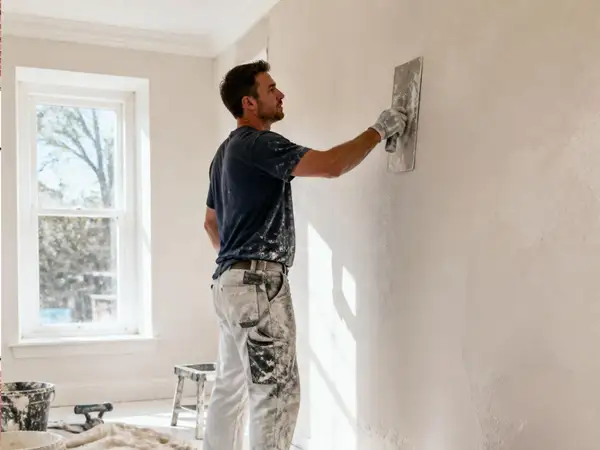
Gypsum Plastering and Wall Levelling
The truth beneath the paint: the flatter the wall, the kinder the light — Istanbul-standard gypsum plaster builds that flatness.
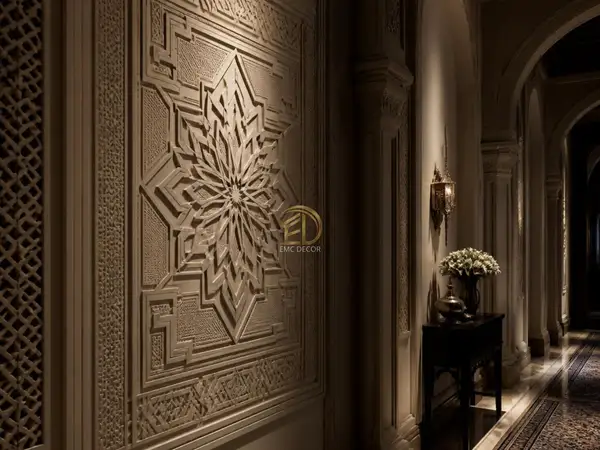
Decorative Plaster and Textured Wall Finishes
Loft or gallery mood, the concrete look gives a wall character — decorative plaster in Istanbul projects gives the space an identity.
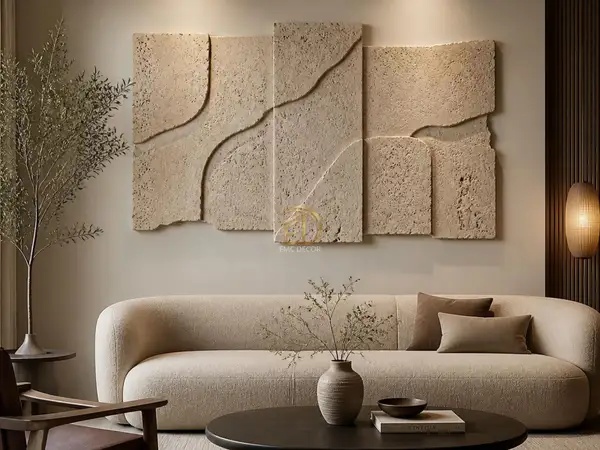
Decorative Wall Finishes and Cladding
One wall is the stage of the room: with texture, light and proportion set right, the wall speaks louder than the furniture — that's our specialism in Istanbul wall decor projects.

Italian Decorative Plaster and Polished Finishes
Italian plaster turns a wall into stone: lime-based material gains marble depth through trowel pressure and mastery.
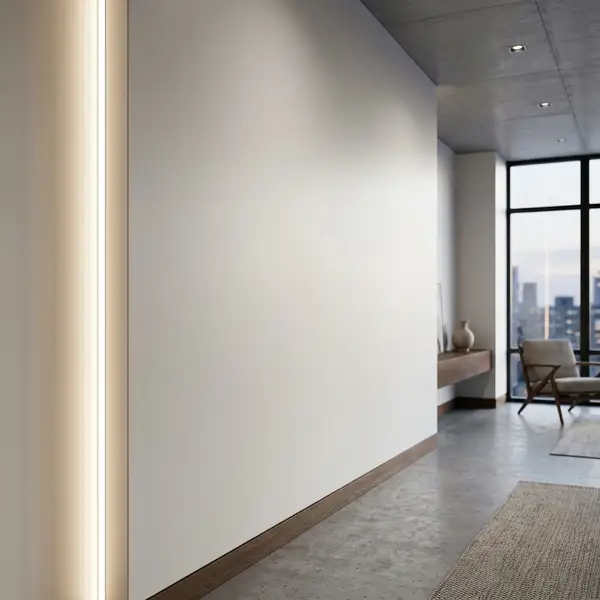
Skim Coat Plastering and Paint Preparation
Most of what people call paint defects are satin defects — the final coat's quality is decided at the burnishing stage.
Frequently Asked Questions
Does this service include decorative plaster?
No. This service is for base plaster and levelling; decorative plaster is presented separately.
Is the same plaster suitable for every wall?
No. Concrete, brick, AAC, old render and damp areas have different absorption and service conditions. Product and preparation are selected for the substrate.
Can the wall be painted directly after plastering?
The surface must dry and reach the smoothness required by the paint system. Some base plasters require a skim coat or another compatible fine finishing layer.
How is a Ytong AAC wall plastered?
The surface is cleaned, wall and junctions are checked, and an interior or exterior product compatible with AAC is applied to its data sheet. Detailed steps are covered in our Ytong plastering guide.
Complementary & Recommended Services
Gypsum Plastering and Wall Levelling
The truth beneath the paint: the flatter the wall, the kinder the light — Istanbul-standard gypsum plaster builds that flatness.
Skim Coat Plastering and Paint Preparation
Most of what people call paint defects are satin defects — the final coat's quality is decided at the burnishing stage.
Decorative Plaster and Textured Wall Finishes
Loft or gallery mood, the concrete look gives a wall character — decorative plaster in Istanbul projects gives the space an identity.
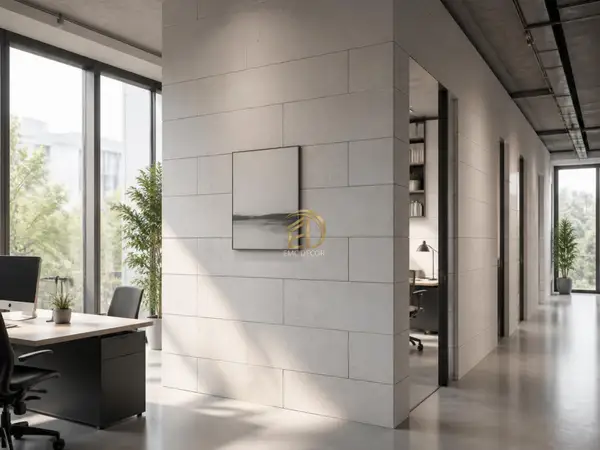
Ytong AAC Block Wall Installation
AAC is the comfortable wall solution: light enough to spare the structure, with high thermal insulation and precise block geometry.
Let’s Talk About Your Project
Get a free consultation: share the project details in the form or discuss them directly on WhatsApp.