Italian Decorative Plaster and Polished Finishes
Italian plaster turns a wall into stone: lime-based material gains marble depth through trowel pressure and mastery.
- 3 Classic Techniques: Stucco, Marmorino, Travertino
- Approved on a Sample Panel — No Surprises
- Lime-Based, Breathable Natural Material
- Contractual Workmanship Warranty

Italian plaster's magic is in its layers: lime-based material applied in thin coats, each compressed with the trowel, the last burnished to a polish ('ferro' technique). Stucco veneziano gives a mirror-gloss marble look; marmorino a matte natural-stone texture; travertino recreates real travertine blocks complete with joint lines.
This is a craft, not a product — the same material under different hand pressure and movement produces entirely different results. That's why every project starts with a sample panel, approved on the surface itself. Being lime-based, Italian plaster breathes, resists mould and is naturally antibacterial; correctly applied, it keeps its day-one look for decades.
Why EMC Decor
Stucco, marmorino and travertino — three classic techniques, one team
Lime-based: breathable, mould-free, naturally antibacterial
Sample-panel approval — the result is a contract annex, not a surprise
Delivered burnished and sealed with protective wax
The Challenges You Face, Our Fix
RISK 01: Uneven, patchy finish from inconsistent trowel technique
SOLUTION: Only masters specialised in Italian plaster are assigned to the job; technique stays consistent from master to master.
RISK 02: The finished wall not matching the reference photo
SOLUTION: The chosen technique and pigment are applied on a sample panel under your room's own light; we never start the wall before your sign-off.
RISK 03: Chalking, darkening or mould appearing over time
SOLUTION: We select a compatible lime- or mineral-based system and the protective finish specified for the room’s humidity and use.
BEFORE / AFTER
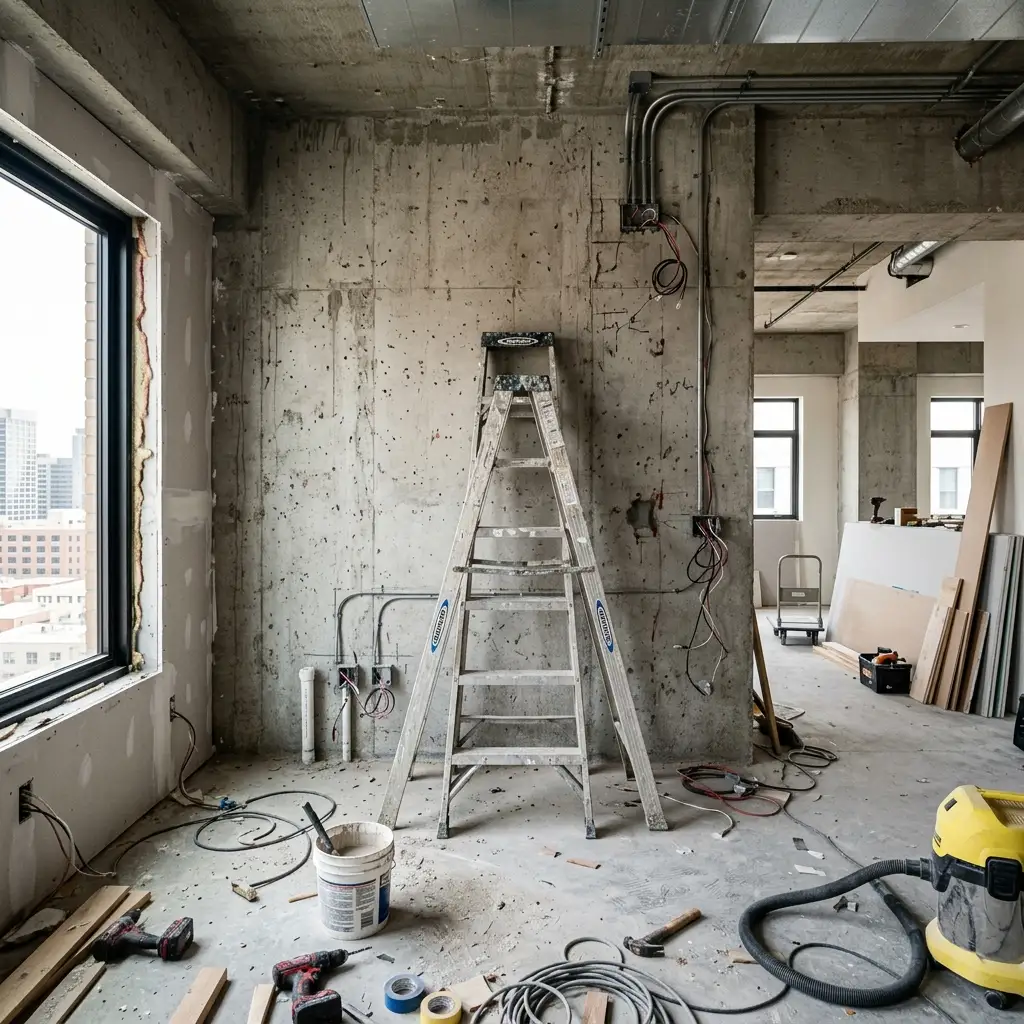
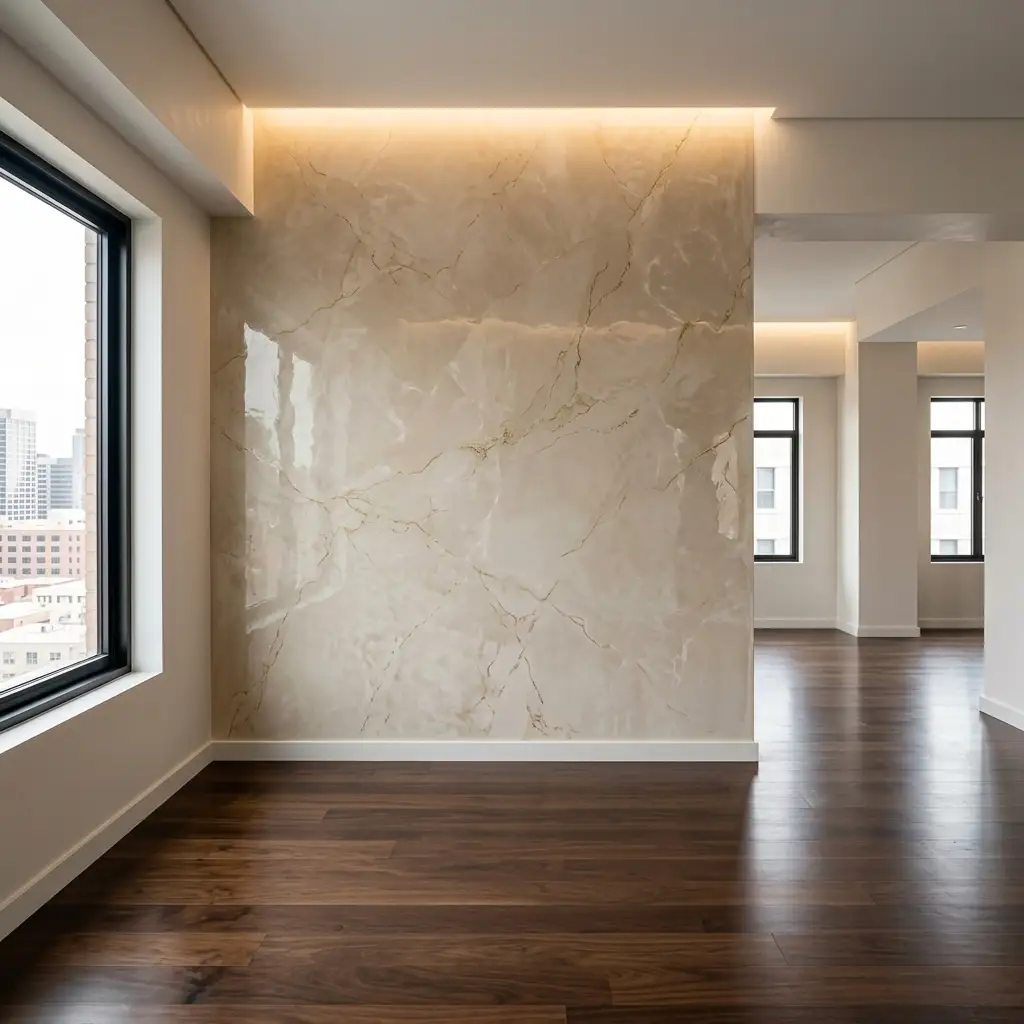
What This Service Includes
1. Substrate Prep & Priming
Skim-coat levelling and a compatible bonding primer for Italian plaster.
- Raking-light surface truing and smoothing
- Applying quartz-grained specialist primer
- Technique and colour approved on sample panel
2. Layered Plaster Application
2–4 thin coats of lime plaster, each compressed with a steel trowel.
- First coat: base texture and colour ground
- Middle coats: building depth and texture
- Final coat: burnished with the ferro technique
3. Sealing & Handover
Wax protective coat, cleaning, and handover with care instructions.
- Applying water/stain-repellent protective wax
- Edge and corner detail inspection
- Cleanup and photo-documented handover report
RESULTS OF OUR WORK
Process
Technique & Colour
Technique proposed for the room's light; pigment and texture approved on a panel.
Duration: 2–3 days
Substrate Preparation
Satin truing and specialist primer — the finish mirrors the surface beneath.
Duration: 1–2 days
Layered Application
2–4 thin coats; each compressed by trowel, the last burnished to finish.
Duration: 2–4 days
Sealing & Handover
Wax/protective coat and care instructions at handover.
Duration: 1 day
Italian plaster is priced per m² by technique; the sample panel is free.
Get a Project EstimateFrequently Asked Questions
What's the difference between Italian plaster and Italian paint?
Plaster is a lime/mineral thick-layer coating — it gives depth and stone texture; decorative paint is a thin acrylic layer. Plaster lasts longer and is natural; paint offers a wider effect range.
Can stucco go in a bathroom?
Yes — lime plaster regulates humidity; surfaces in direct water contact, like shower zones, get extra hydrophobic protection (soap/wax based).
Will it crack over time?
Not with correct substrate prep — cracking risk comes from the surface beneath. We stabilise it with mesh and primer, and repair settlement-affected walls first.
How is it maintained?
Wipe with a soft damp cloth; no abrasive chemicals. In high-touch areas we recommend re-waxing every few years — a service we provide.
Complementary & Recommended Services
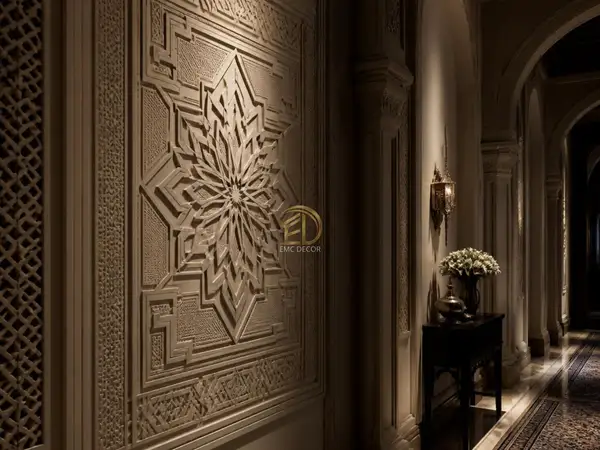
Decorative Plaster and Textured Wall Finishes
Loft or gallery mood, the concrete look gives a wall character — decorative plaster in Istanbul projects gives the space an identity.
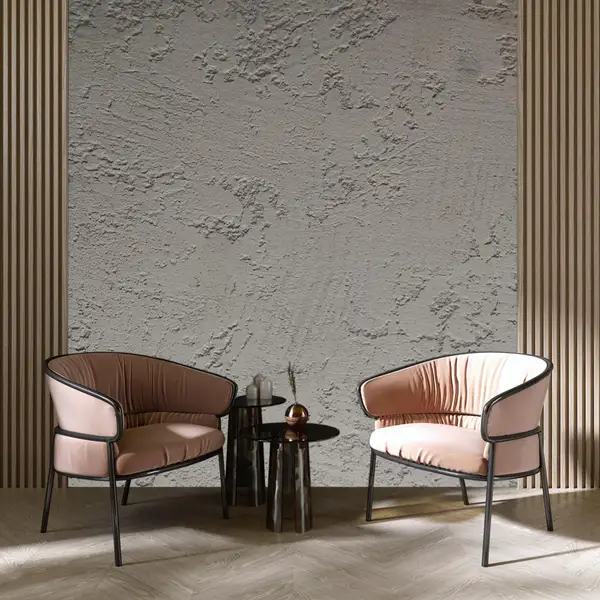
Italian Decorative Paint Finishes
Premium feature wall finishing using authentic Italian decorative lines (Novacolor, San Marco) creating velvet, metallic, microcement and silk textures.
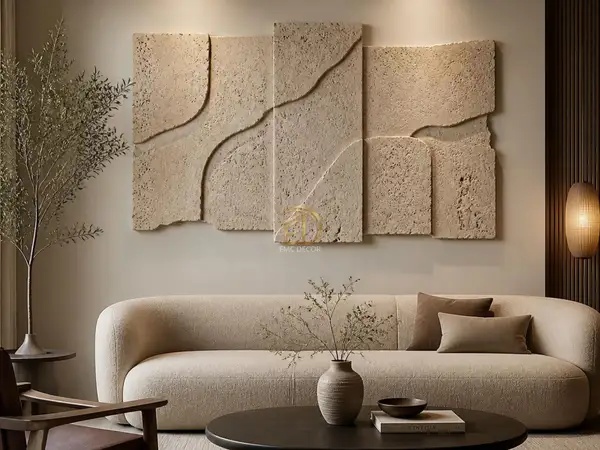
Decorative Wall Finishes and Cladding
One wall is the stage of the room: with texture, light and proportion set right, the wall speaks louder than the furniture — that's our specialism in Istanbul wall decor projects.

Wall Plastering and Levelling
Base plaster applications that correct wall and ceiling geometry before paint or another finish.
Let’s Talk About Your Project
Get a free consultation: share the project details in the form or discuss them directly on WhatsApp.