Ytong AAC Block Wall Installation
AAC is the comfortable wall solution: light enough to spare the structure, with high thermal insulation and precise block geometry.
- A Third of Brick's Weight — No Extra Structural Load
- Thin-Bed Technique (2–3mm), Level Checked Course by Course
- A1 Fire Resistance & a Solid Base for Wet Areas
- Contractual Workmanship Warranty
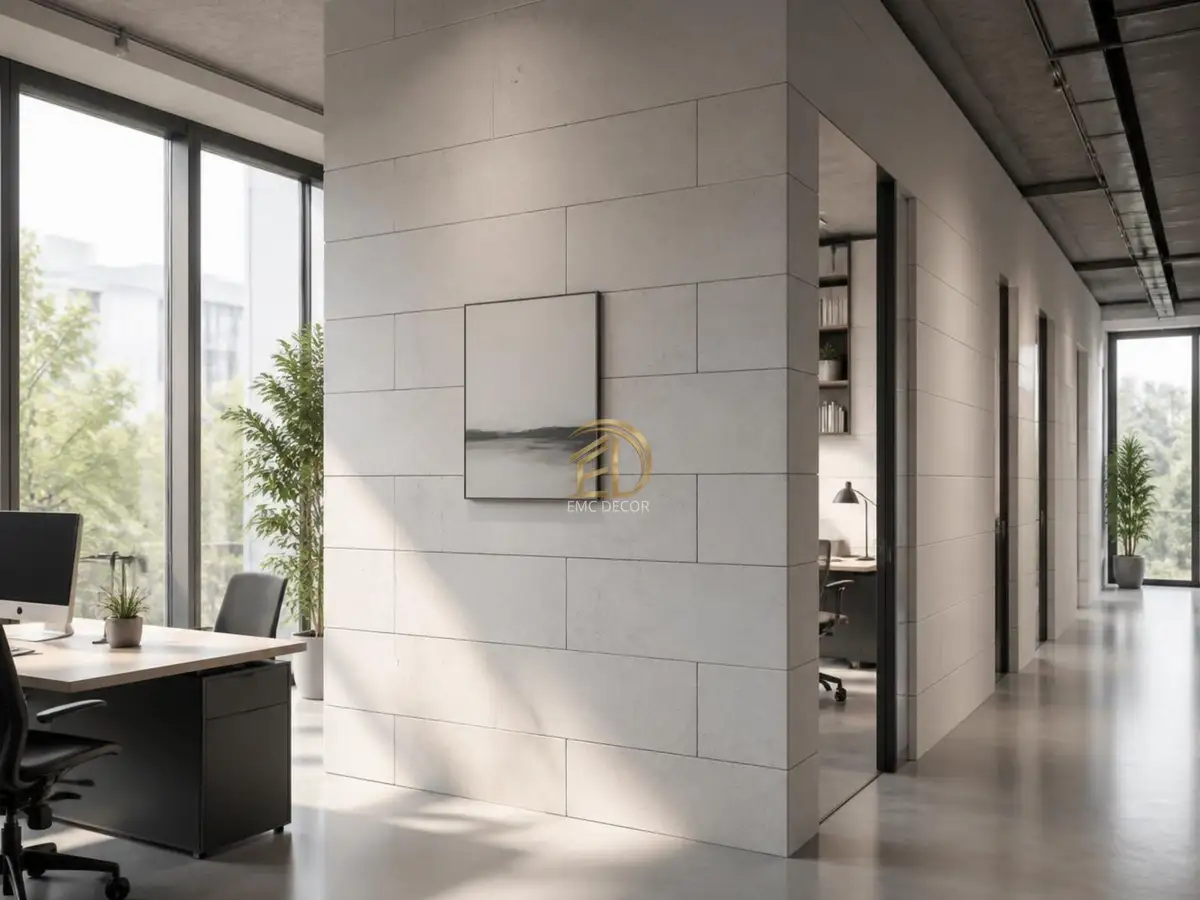
Ytong (AAC) blocks weigh a third of brick, letting walls go up without loading the structure — which is why they're the first choice in layout changes and renovation projects. The porous body insulates thermally, achieves A1 fire resistance, and forms a solid tile-carrying substrate in wet areas.
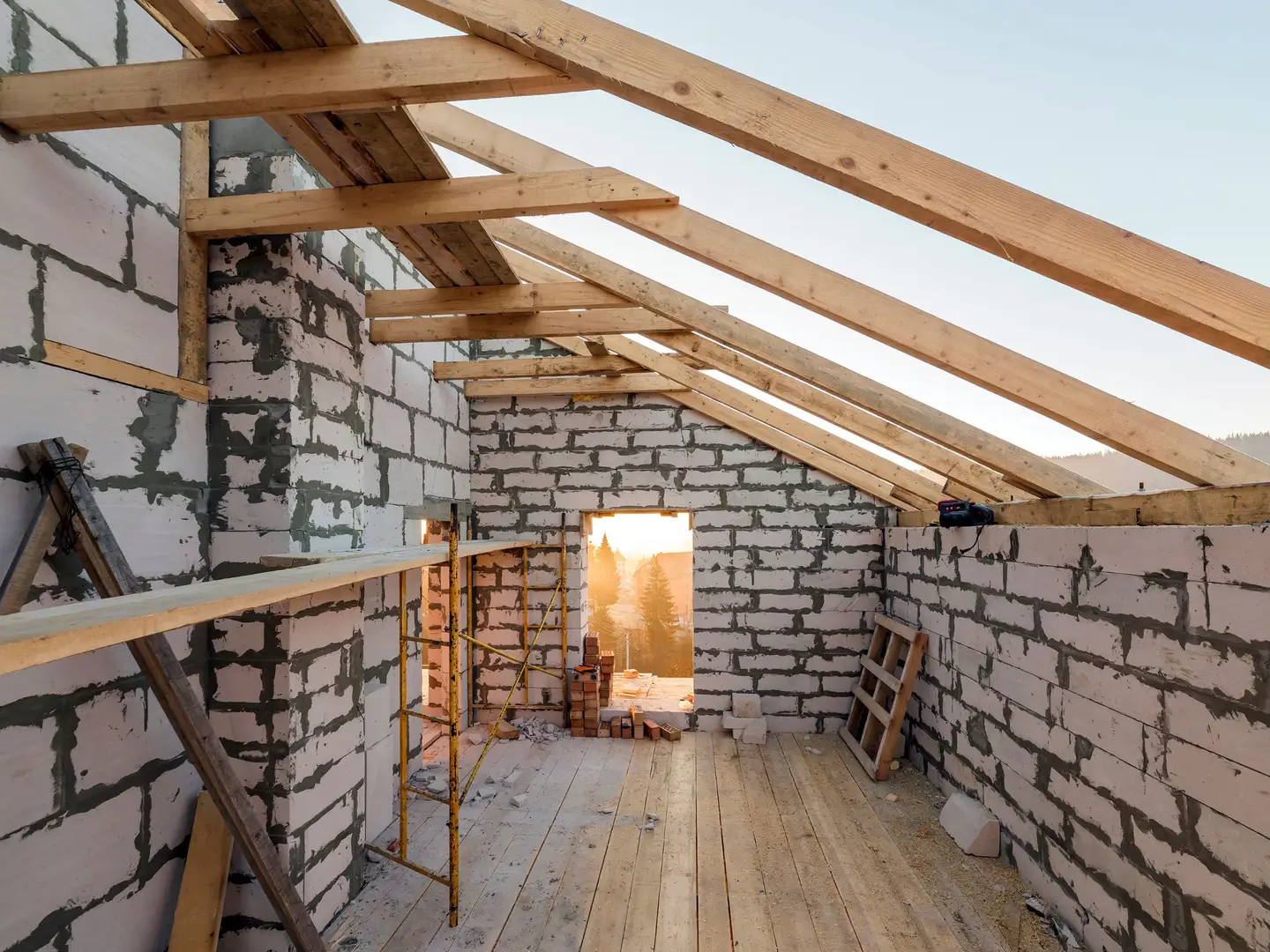
Quality shows in the thin-bed technique: blocks are laid with special adhesive at 2–3 mm joints (thick mortar joints create thermal bridges), every course is checked with level and line, and lintels go over door openings. At the ceiling junction a movement gap is left and closed with PU foam — the wall won't crack when the building flexes. We hand walls over plastered, ready for paint or tile.
Why EMC Decor
A third of brick's weight: walls without structural load
Porous body: thermal and acoustic insulation built into the wall
A1 fire resistance and a solid substrate for tiling
Thin-bed (2–3 mm) technique, level checks course by course
The Challenges You Face, Our Fix
RISK 01: Thick mortar joints creating thermal bridges
SOLUTION: We lay blocks with special adhesive at a 2–3 mm thin-bed joint, minimising thermal bridging.
RISK 02: Cracking at the ceiling junction as the building moves
SOLUTION: We leave a movement gap at the ceiling and close it with PU foam, preventing wall cracking.
RISK 03: Standard plugs failing to hold in AAC, fixtures falling
SOLUTION: For heavy loads we fit AAC-specific chemical or toggle anchors, never standard plastic plugs.
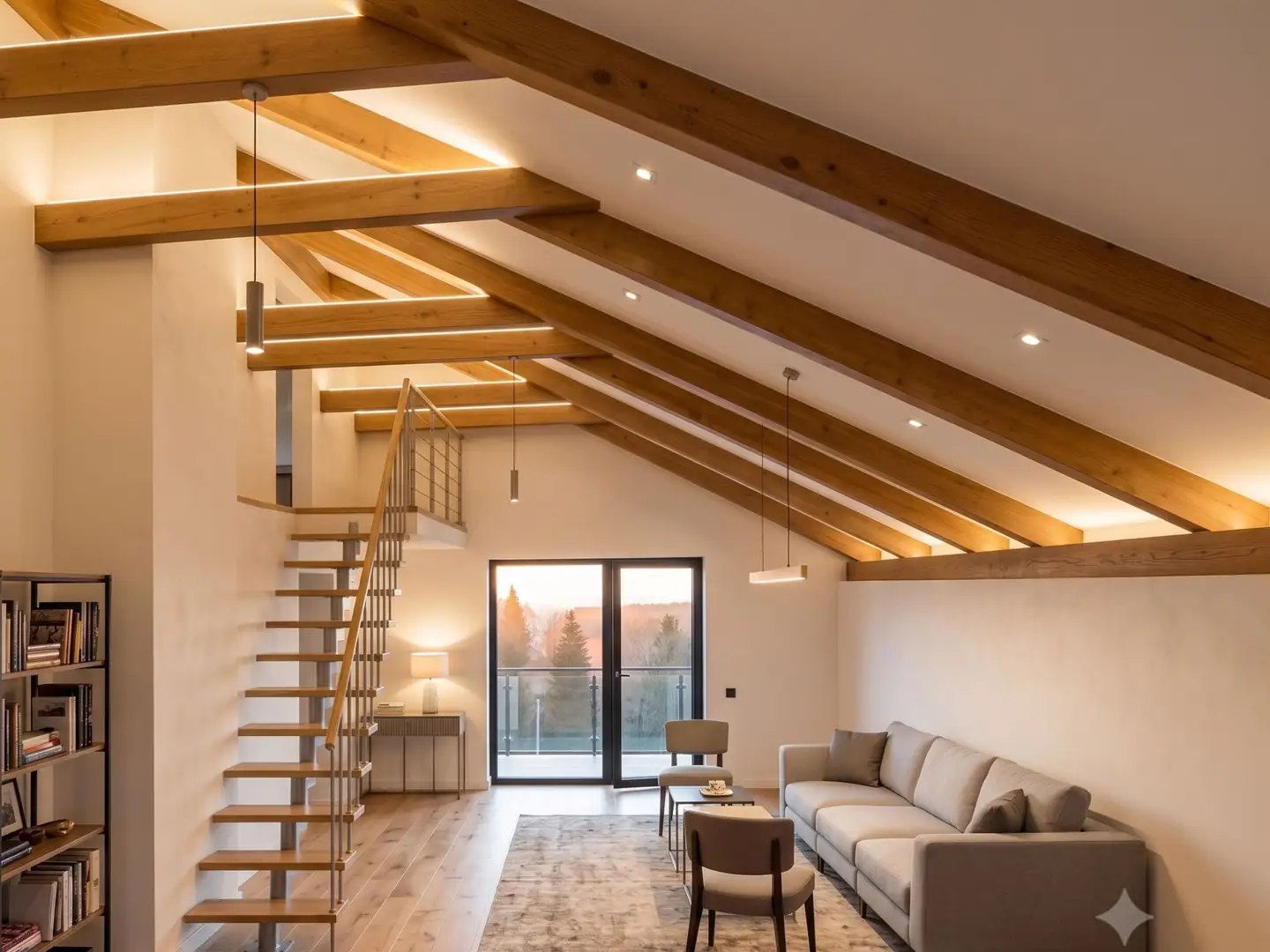
BEFORE / AFTER
What This Service Includes
1. Survey & Block Selection
Wall routes, block thickness selection (10/15/20 cm), and door/window plan.
- Marking wall routes and openings
- Block thickness chosen by intended use
- Pre-planning lintel and anchor points
2. Thin-Bed Laying
First course levelled on mortar, following courses laid thin-bed, every course level-checked.
- Levelling the first course precisely on mortar
- Laying course by course with 2–3mm thin-bed adhesive
- Fitting lintels above door/window openings
3. Service Chases & Plastering
Chases router-cut for electrics/plumbing, primed and plastered, handed over paint- or tile-ready.
- Router-cutting chases for electrics and plumbing
- Applying absorbency-balancing primer
- Gypsum/cement plaster, paint- or tile-ready handover
RESULTS OF OUR WORK
Process
Survey & Plan
Wall routes, block thickness selection (10/15/20 cm) and door plan.
Duration: 1 day
Quote & Contract
A per-m² quote by block thickness and the plaster package are put in writing.
Duration: 1 day
Laying
The first course is levelled on mortar, following courses laid with thin-bed adhesive; lintels and tie anchors installed.
Duration: 15–25 m²/day
Service Chases
Chases for electrics and plumbing are router-cut — AAC works easily.
Duration: 1 day
Plaster & Handover
Absorbency primer and gypsum/cement plaster; handed over paint- or tile-ready.
Duration: 2–4 days
AAC walls are priced per m² by block thickness; plaster-included packages available.
Get a Project EstimateFrequently Asked Questions
Can cabinets or a boiler hang on AAC?
Yes — with AAC-specific anchors (chemical or toggle types) heavy loads including boilers hang safely; standard plastic plugs are never used, and we fit the correct anchor type at every point.
Is AAC right for bathroom walls?
Yes — it forms a solid tiling substrate; in water-contact zones the surface is coated with liquid membrane before tiling. That's our wet-area standard.
Rebuild an old wall in AAC or reline it with drywall?
If the wall is sound, relining is economical; beyond 3 cm of deviation, or with damp or cracking, rebuilding in AAC is the right long-term call. We cost both scenarios at the survey.
Complementary & Recommended Services
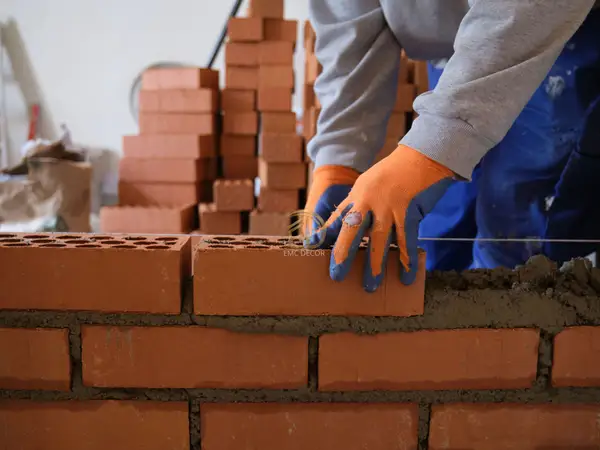
Brick, Block and Stone Masonry Services
Masonry is the core of this trade: the line is stretched, the level speaks — we've laid to the same discipline for thirty years.
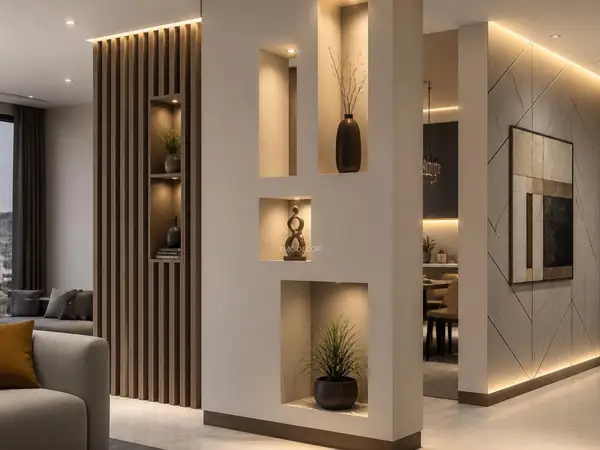
Drywall Partition Wall Systems
Splitting a room in two is a four-day job — with the right system, the new room is separated by sound as well as sight.
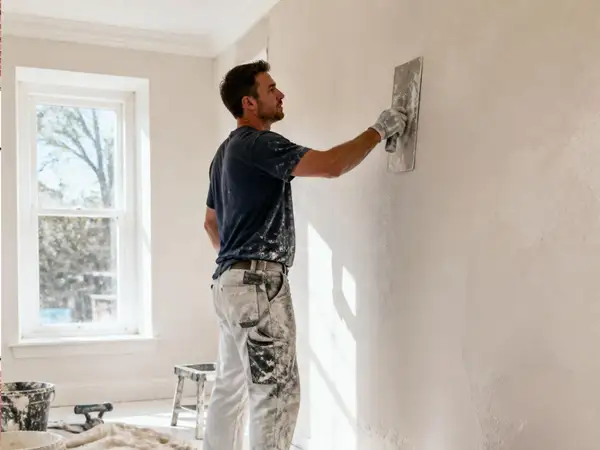
Gypsum Plastering and Wall Levelling
The truth beneath the paint: the flatter the wall, the kinder the light — Istanbul-standard gypsum plaster builds that flatness.
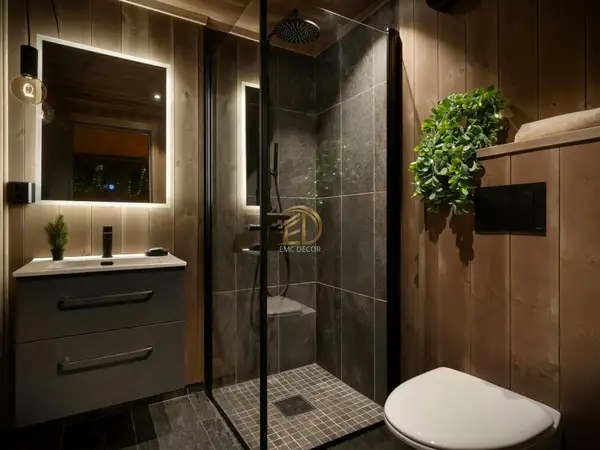
Wall and Floor Tile Installation
Large-format tile demands its own craft — double-sided adhesion, a levelling system, and laser-aligned joints that leave no hollow spots.
Let’s Talk About Your Project
Get a free consultation: share the project details in the form or discuss them directly on WhatsApp.