Epoxy Flooring and Protective Coatings
A durable epoxy floor starts with substrate preparation: grinding or milling, moisture checks and the correct primer for the selected system.
- Moisture Testing & Diamond Grinding as Standard
- Coat Thickness Measured, Consumption in Writing
- Systems Rated for Chemicals & Forklift Traffic
- Contractual Workmanship Warranty
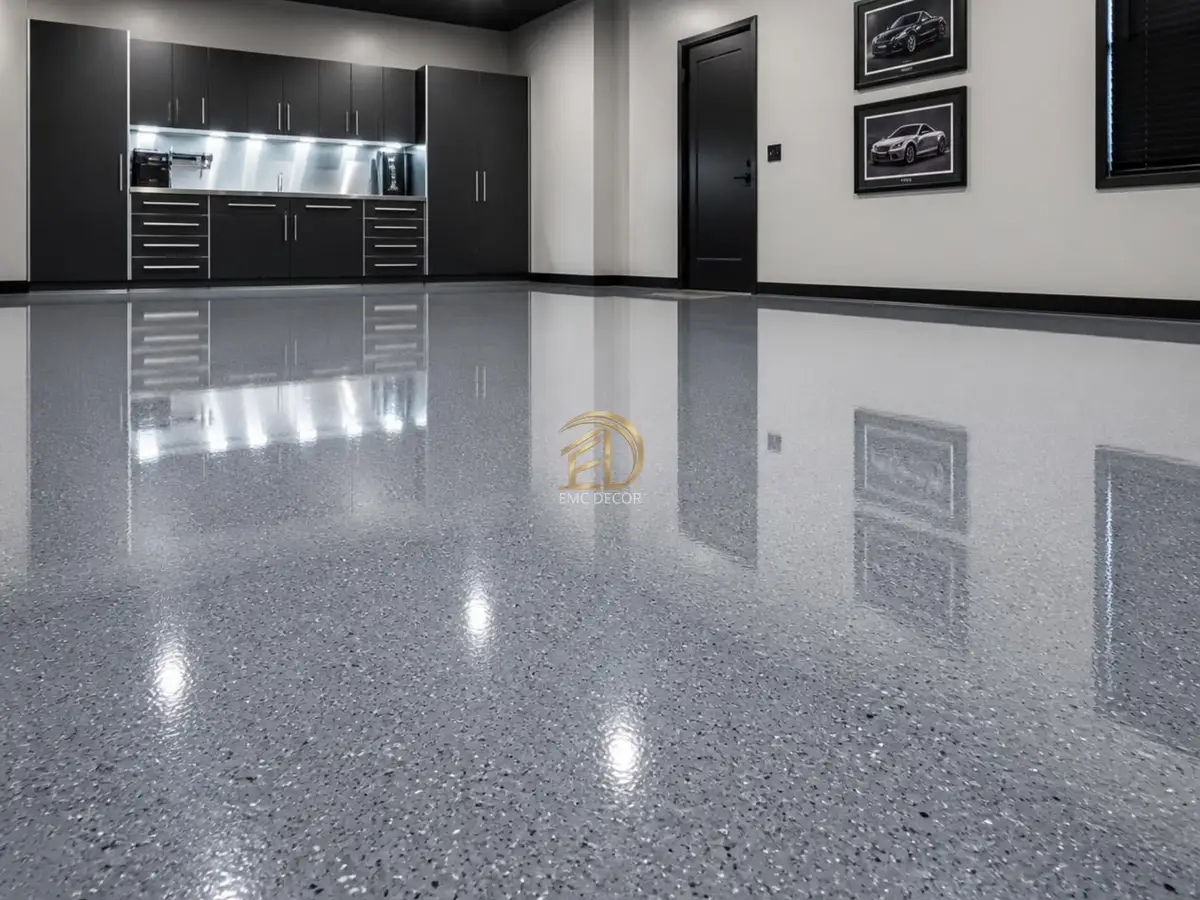
A common cause of epoxy failure is application before concrete laitance and weak surface layers have been adequately removed. The substrate is mechanically prepared using a suitable method, then checked for strength, moisture, cracks and contamination. The acceptable moisture limit follows the test method and the current data sheet of the selected epoxy system. Compatible primer and coating layers are applied to the specified consumption and thickness.
Systems are matched to use: anti-slip quartz-filled builds for car parks and garages, solutions selected for chemical exposure in production areas, seamless finishes chosen to suit hygiene requirements, and decorative epoxy options for stores and showrooms. The layer plan, preparation and consumption values are stated for the selected product system.
Why EMC Decor
Diamond grinding and moisture testing — peeling risk eliminated
Coat thickness measured; consumption (kg/m²) written in the quote
Systems rated for chemicals, impact and forklift traffic
Decorative options: metallic effect, coloured quartz, matte/gloss
Projects featuring Epoxy Flooring and Protective Coatings
See how this service was sequenced with related trades and delivered on completed projects in Istanbul.
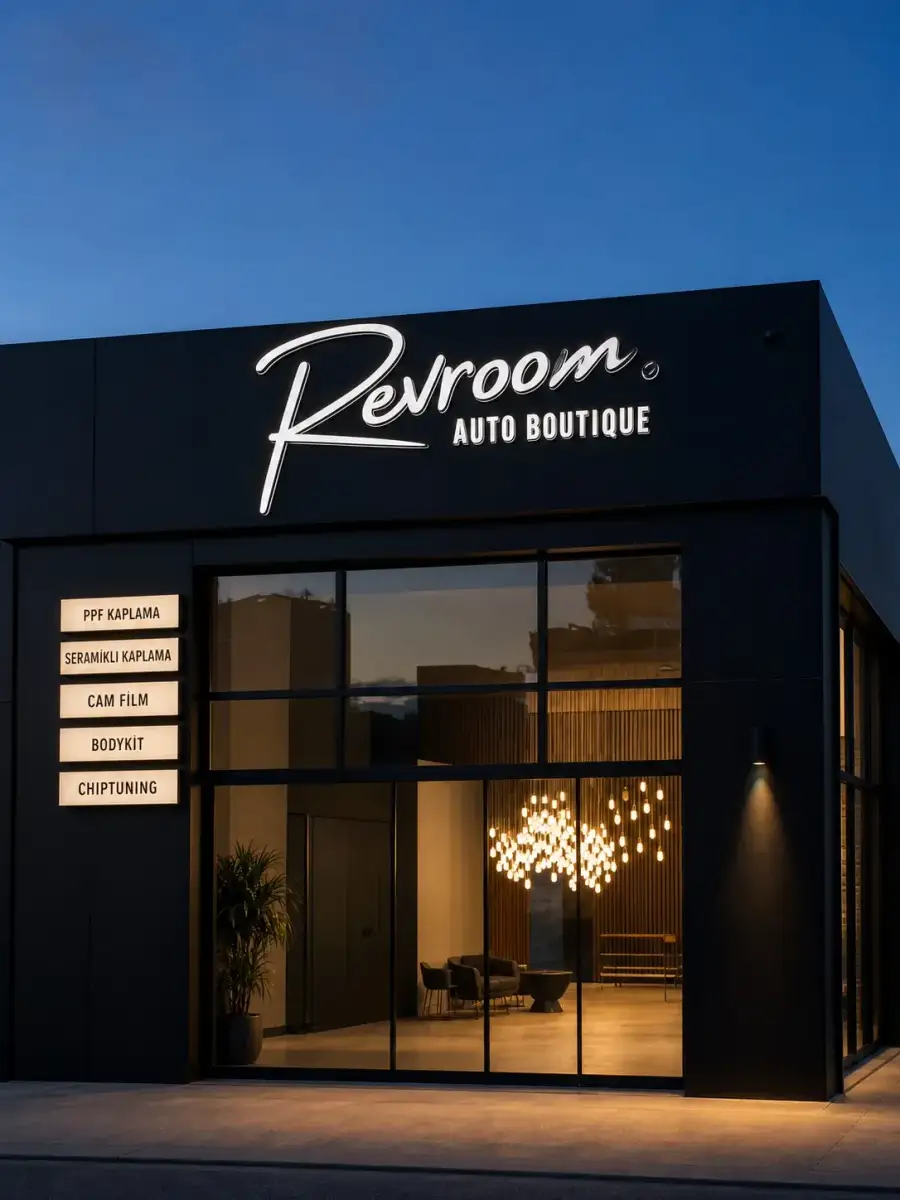
Başakşehir Garage Renovation — Turnkey
A turnkey renovation of a garage in Başakşehir's 24th phase: from demolition and floor preparation to the final signage, every stage was carried out by one team on one schedule. Epoxy floor coating and an Italian-style paint finish on the walls were applied together with MDF panel cladding, while a custom lighting installation of dozens of pendant fixtures gave the space its signature look.
View project →The Challenges You Face, Our Fix
RISK 01: Epoxy applied straight onto concrete peeling off in flakes due to hollow voids underneath
SOLUTION: The surface is mechanically prepared, then strength and moisture are checked against the selected test method and product-system limits before compatible primer is applied.
RISK 02: Glossy garage/ramp floors becoming dangerously slippery when wet
SOLUTION: We apply anti-slip quartz-filled systems on car parks and ramps and document the measured friction coefficient.
RISK 03: Chemical spills in production areas permanently staining the floor
SOLUTION: We use chemical-resistant self-levelling epoxy to create a seamless, hygienic, stain-proof surface.
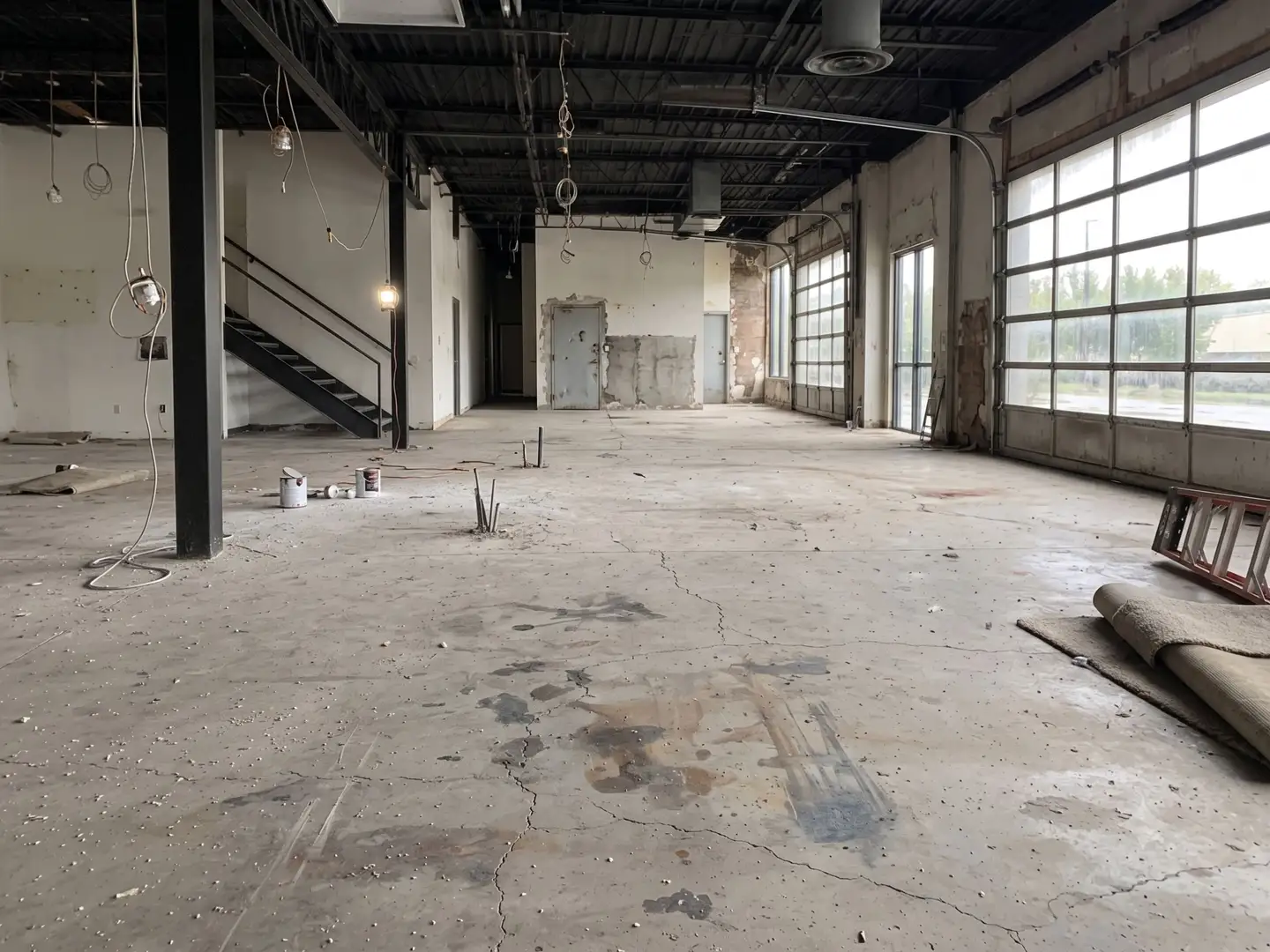
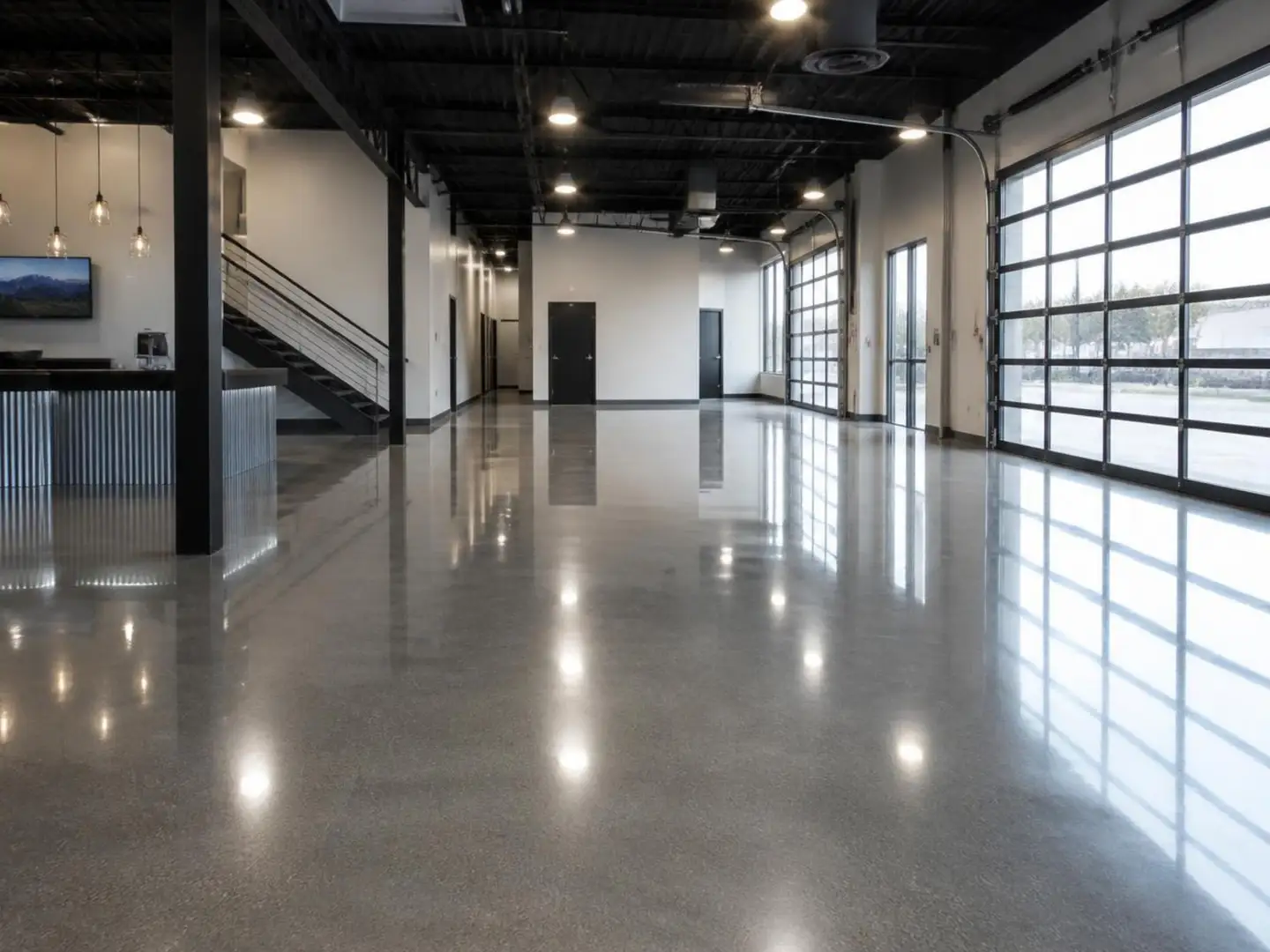
BEFORE / AFTER
What This Service Includes
1. Floor Study & Moisture Testing
Testing concrete strength, relative moisture and existing coating; system and thickness proposal.
- Concrete moisture test suited to the product system
- Pull-off adhesion test on existing coating
- System and thickness proposal matched to use
2. Surface Preparation & Priming
Diamond grinding/shot blasting, crack and joint filling, epoxy primer saturation.
- Opening the surface with diamond grinding or blasting
- Filling cracks and joints with epoxy filler
- Epoxy primer saturation after dust extraction
3. System Coats & Handover
Quartz/self-levelling/decorative coat matched to use, handed over with a thickness measurement.
- Anti-slip quartz-filled system for car parks
- Chemical-resistant self-levelling for production areas
- Coat thickness measurement and a photo handover report
RESULTS OF OUR WORK
Process
Floor Study
Concrete strength, moisture and existing-coating tests; system and thickness proposal.
Duration: 1 day
Surface Preparation
Diamond grinding/shot blasting, crack repair and joint filling, dust extraction.
Duration: 1–2 days
Primer & System Coats
Epoxy primer, intermediate coat (quartz/scratch coat) and topcoat; curing tracked between coats.
Duration: 2–4 days
Curing & Handover
Foot traffic after 24 hours, load traffic after 5–7 days; handover with a thickness report.
Duration: 1–7 days
Epoxy systems are priced per m² and thickness (mm); the floor test at survey is free.
Get a Project EstimateFrequently Asked Questions
Is epoxy flooring suitable for homes?
Yes — it's a seamless, easy-clean choice for kitchens, balconies and garages, and decorative metallic epoxy is increasingly popular in living areas.
Can a new coat go over existing epoxy?
If adhesion is sound, yes: the surface is abraded and recoated over a tie coat. Where it's peeling or hollow, the old coating is fully ground off — we run a pull-off test at the survey.
Epoxy or polyurethane?
Epoxy is harder and more chemical-resistant; polyurethane is flexible and UV-stable. We recommend a PU topcoat for sun-exposed areas and epoxy for interiors and industry — most projects use a hybrid of both.
How soon can the floor be used?
Foot traffic in 24 hours, furniture in 3 days, vehicle and forklift traffic in 5–7 days; times vary with temperature and are stated in the handover report.
Complementary & Recommended Services
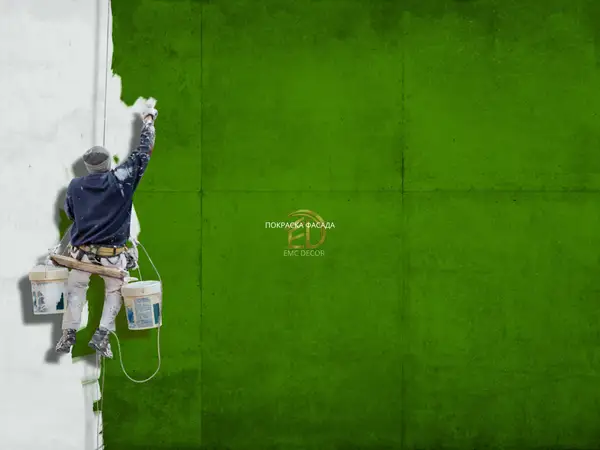
Industrial Painting for Factories and Warehouses
Industrial painting is a race against corrosion: correct surface prep and coat thickness add years to steel's life.
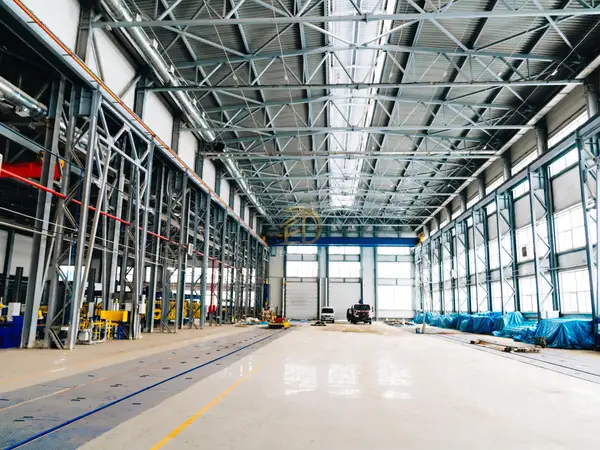
Factory and Production Facility Renovation
We phase factory renovation around production flow, safe work zones and agreed shutdown windows.

Interior Painting and Wall Finishing Services
Professional interior painting with dust-free machine sanding, premium Jotun, Dyo and Marshall paints, razor-sharp masking lines, and full furniture protection.

Store and Retail Space Renovation
Every metre of shelving earns revenue — we turn renovation into an investment that grows selling space and guides the customer.
Let’s Talk About Your Project
Get a free consultation: share the project details in the form or discuss them directly on WhatsApp.