Satin Finish Plaster
Most of what people call paint defects are satin defects — the final coat's quality is decided at the burnishing stage.
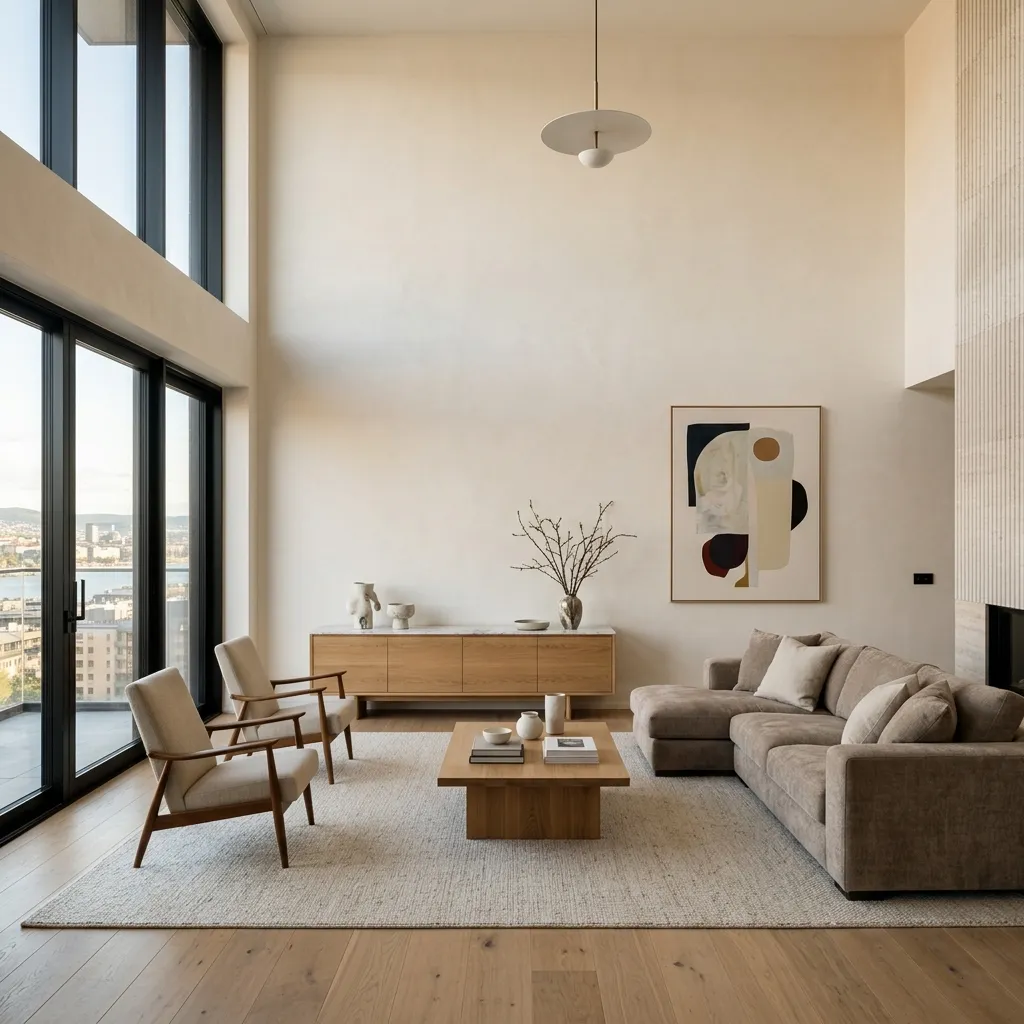
Satin plaster is the precision layer between base plaster and paint: applied at 1–3 mm, it seals surface pores and lets paint absorb evenly. Raking light — daylight skimming from a window, or a spotlight — reveals every ripple, so that's exactly the light we inspect with: we sweep the wall with a projector, mark every shadow-casting point and correct it.
Two coats are our standard: the first fills, the second is burnished to a glass-like close. Sanding is done with dust-extracting machines — we work clean even in furnished homes. The result: paint absorbs evenly, no waves or tool marks under light, and future touch-ups blend invisibly.
Application Video
Why EMC Decor
Raking-light inspection — every shadow-casting point corrected
Two-coat standard: fill + burnish, glass-like closure
Dust-free machine sanding — clean work in furnished homes
Paint consumption drops and touch-ups become invisible
Process
Surface Check
Plaster moisture and flatness checks; local corrections if needed.
Duration: 0.5 day
First Coat
The fill coat — pores and micro-hollows closed.
Duration: 1 day
Second Coat & Burnish
The thin coat burnished closed; dust-free sanding after drying.
Duration: 1–2 days
Light Test
Projector sweep, spot corrections and paint-ready handover.
Duration: 0.5 day
Material & Colour Reference
Colour decisions are made with standard RAL codes and real samples, not screens — the applied colour matches your chosen code exactly.
Realized Work & Process
Satin plaster is priced per m²; ceiling work and paint-bundle packages available.
View PricingFrequently Asked Questions
Is satin plaster necessary — can't we paint directly?
Painting straight over base plaster gives a porous, wavy result; every lit wall shows its flaws. The satin layer pays for itself both aesthetically and economically — less paint consumed, longer paint life.
Does drywall need a satin coat?
Yes — joint tapes and screw points absorb differently from the board surface; without a full satin skim, paint reveals the difference like shadows.
Can satin go over old paint?
Over sound matte surfaces, yes, after a bonding primer; glossy (oil) paints are abraded first. We never skim over flaking paint without scraping it back.
How long does satin work take in an apartment?
A standard two-bed apartment (walls + ceilings) takes 3–5 working days including two coats and sanding; bundled with painting, the total shortens.
Related Services
Gypsum Plaster
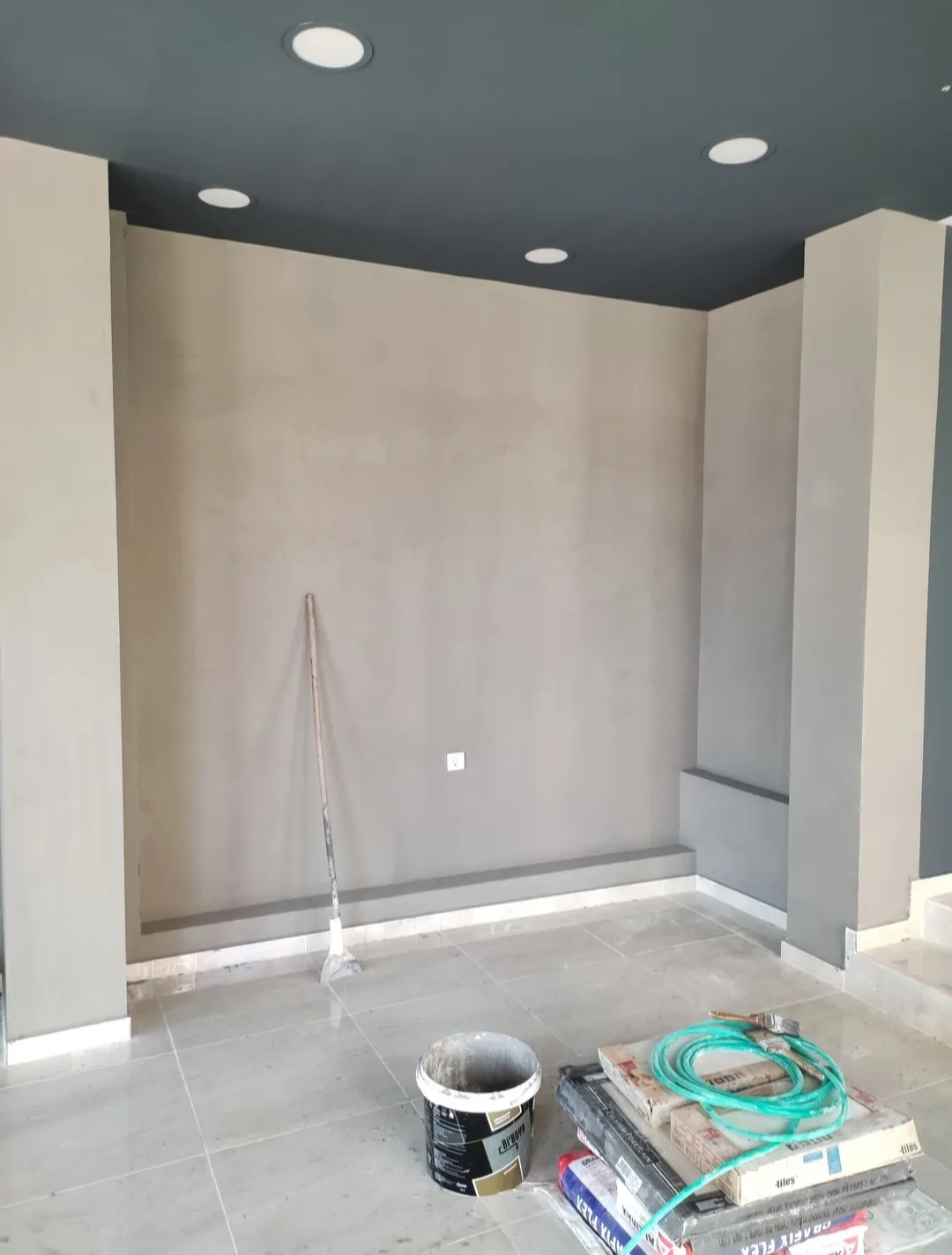
The truth beneath the paint: the flatter the wall, the kinder the light — gypsum plaster builds that flatness.
Painting Services
Paint quality isn't in the can — it's in the preparation: get the sanding, filling and priming right and the final coat is flawless.
Italian Decorative Paint
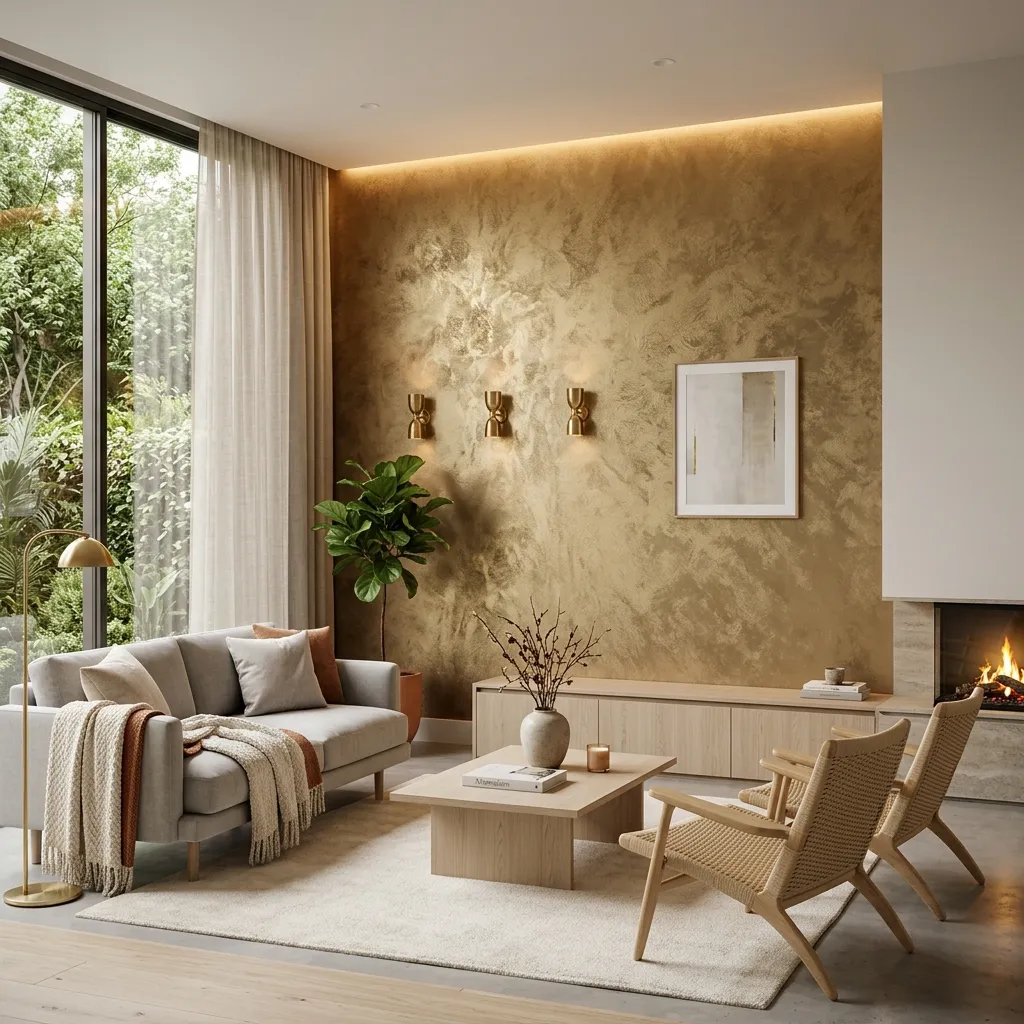
Italian paint isn't a product, it's a craft: the same can in two different hands gives two different walls.
Drywall Partition Walls
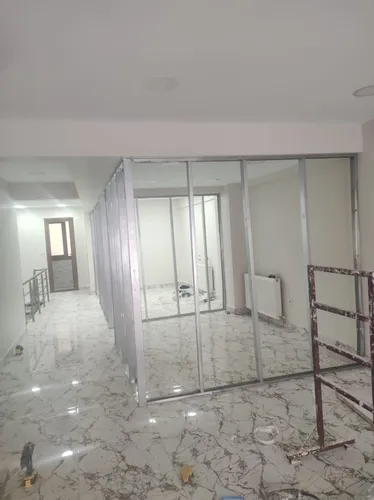
Splitting a room in two is a four-day job — with the right system, the new room is separated by sound as well as sight.
Let’s Talk About Your Project
Fill in the form for a free survey appointment, or reach us directly on WhatsApp.